Zakat Is more than a donation - It’s a responsibility
Zakat restores dignity and changes lives. We help you calculate and give it accurately and transparently.

Zakat restores dignity and changes lives. We help you calculate and give it accurately and transparently.
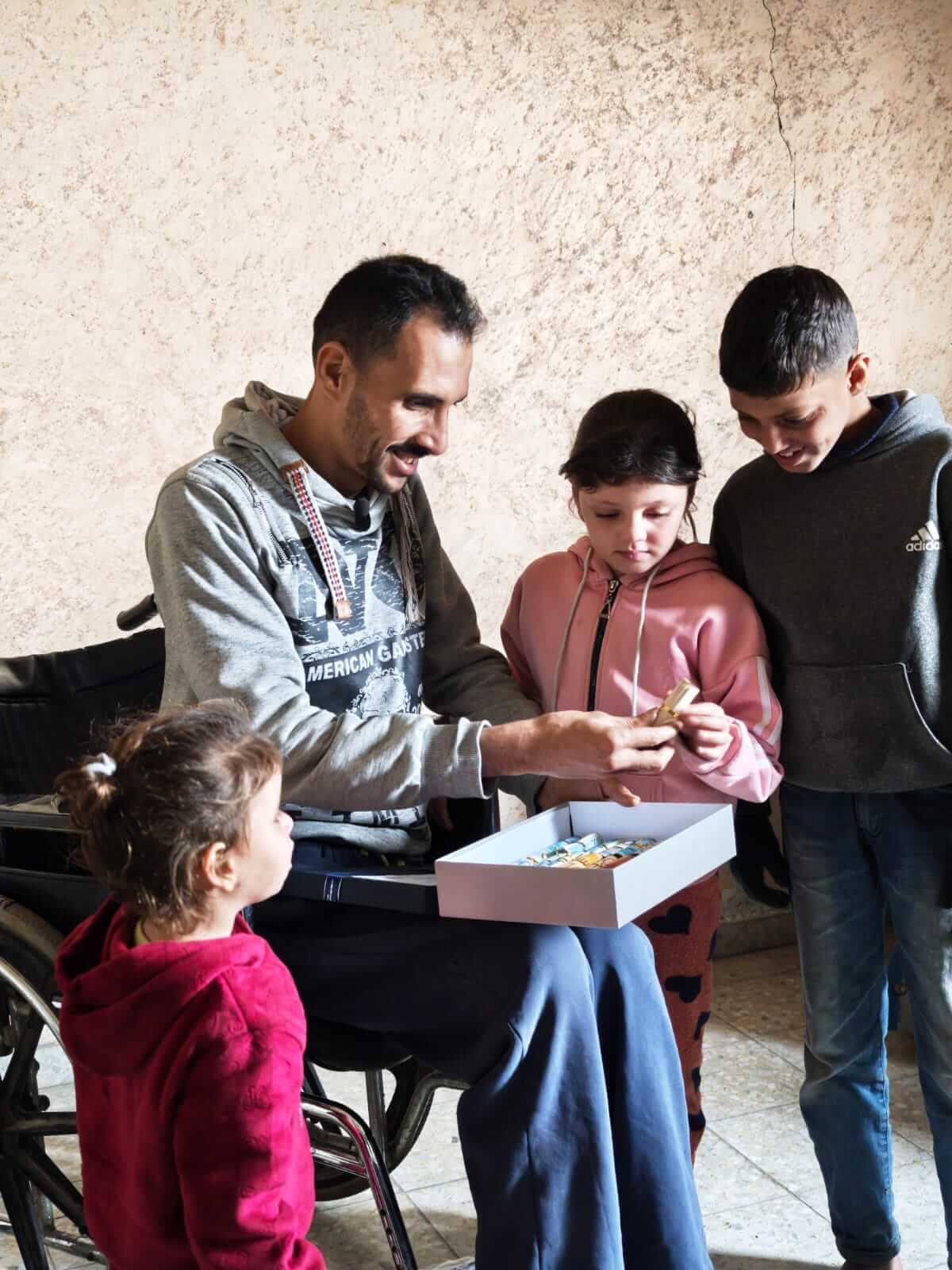
Zakat restores dignity and changes lives. We help you calculate and give it accurately and transparently.

Direct, structured wealth transfer that purifies your wealth and restores independence.
Zakat is a mandatory responsibility and a rights-based obligation. Rather than scattering Zakat in small one-off amounts across many households, our Zakat Direct programme delivers sufficient, regular support so families can plan ahead, stabilise their lives, and move past hardship.
Nothing else is funded from this pool: no administration costs, no buildings, and no non-Zakat activities. Your Zakat is held completely separately and reaches only those who are lawfully eligible.
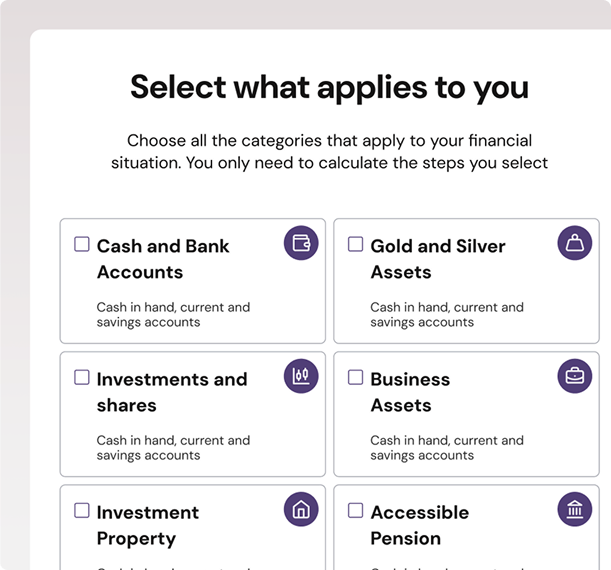
Our Zakat calculator helps you understand exactly what you owe, based on your wealth, assets, and liabilities.
It follows recognised Islamic guidance to help you determine whether you’ve reached the Nisaab threshold and how much Zakat is due per lunar year.
Clear. Simple. Considered.
Your Zakat is handled with care, strict policy compliance, and complete transparency.

Used only for Zakat-eligible recipients
Restricted strictly under our Zakat policy to verified families and individuals lawfully entitled to receive assistance.

Kept separate from other forms of giving
Held in a dedicated account and never co-mingled with general funds, administration costs, or construction projects.

Distributed in line with Islamic rulings
Guided by scholarly oversight to ensure every pound reaches verified beneficiaries safely and with dignity.
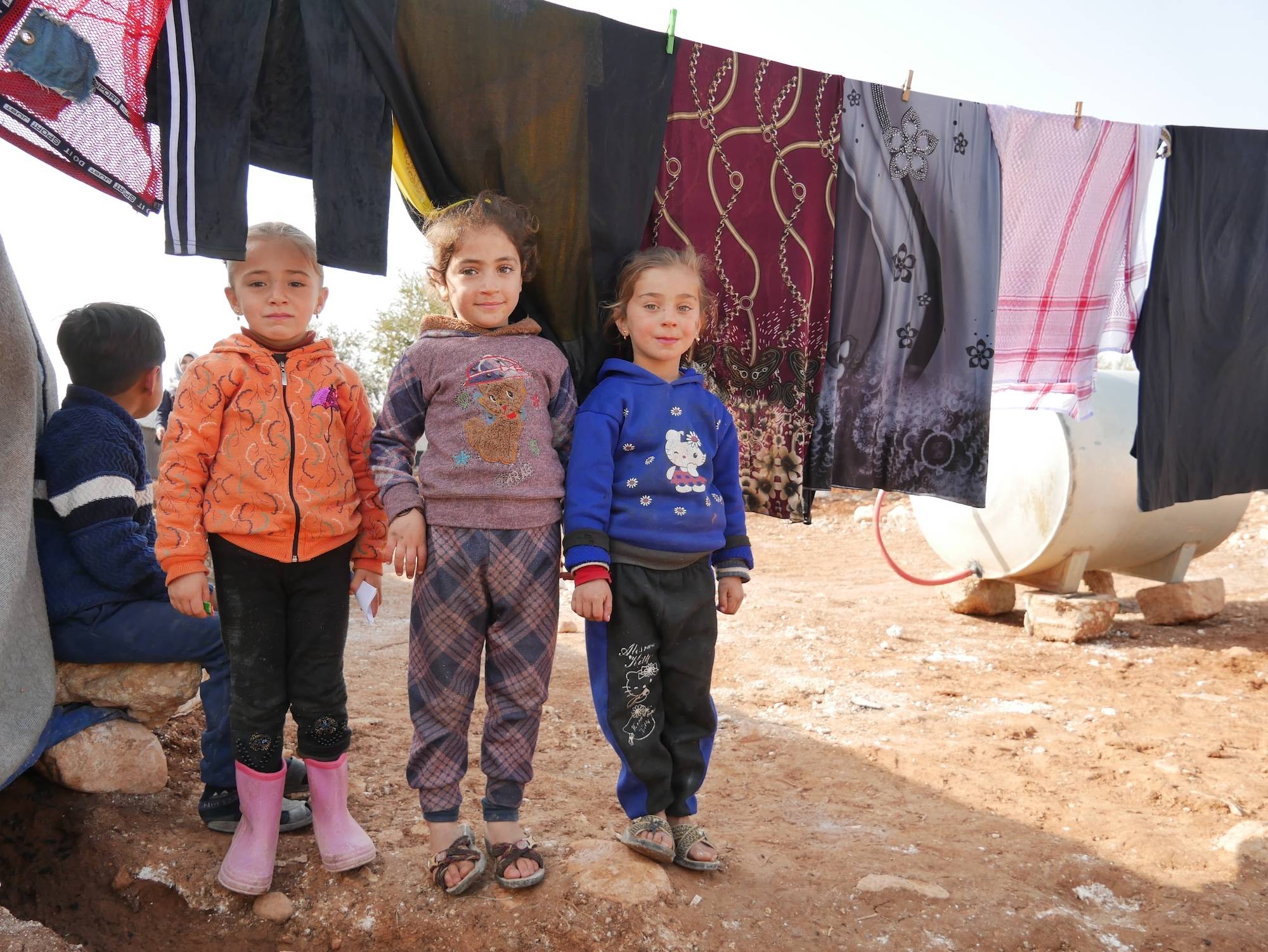
Your Zakat goes directly to verified families in need, giving them the certainty required to buy food, pay for basic shelter, and cover essential healthcare with dignity.
All Zakat calculations and allocations follow guidance approved under our published Zakat policy, ensuring your obligation is fulfilled correctly.
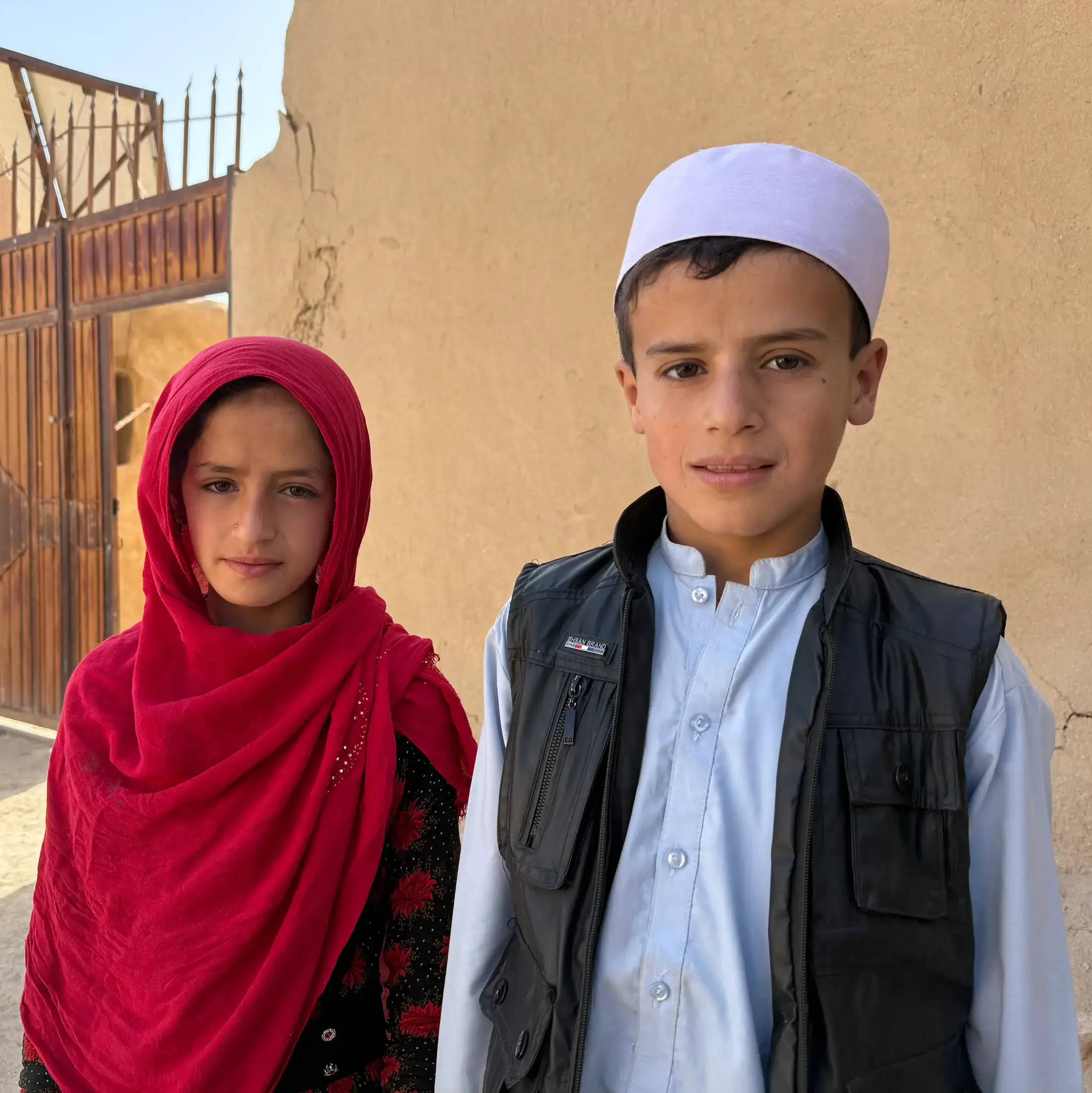
Zakat is obligatory for every adult Muslim whose eligible wealth meets or exceeds the Nisab threshold for one lunar year.
Nisab is the minimum amount of wealth a Muslim must own before Zakat becomes due. It is based on the value of gold or silver and changes as market prices change.
Yes. Every Zakat donation is managed separately and distributed in accordance with Islamic principles, ensuring it reaches eligible recipients.
The Qur'an identifies eight categories of people who are eligible to receive Zakat, including those experiencing poverty and hardship. At Rethink Charity, every Zakat donation is distributed in accordance with these Islamic guidelines.
If you missed paying Zakat in previous years, you should calculate what you owe and pay it as soon as possible. If you're unsure of the amount, estimate it as accurately as you can or seek guidance from a qualified scholar.
Yes, and not just as a bookkeeping label. Zakat is ringfenced the moment it arrives, held in a segregated fund, tracked through its own ledger, and reported on separately. It is never pooled with Sadaqah or general donations.
No administrative cost is deducted from it. The audit, the safeguarding, the screening and the tracking that sit around your Zakat are all paid for from Gift Aid and unrestricted donations, which is what allows the whole of your Zakat to reach eligible recipients.
Zakat is restricted to the eight categories named in Surah At-Tawbah (9:60). In practice the overwhelming majority of ours reaches al-fuqara’ (the poor) and al-masakin (the needy), with a portion to al-‘amilin ‘alayha — those employed to administer the Zakat itself, which the verse expressly permits.
"Zakah expenditures are only for the poor and for the needy and for those employed to collect it..." — Surah At-Tawbah 9:60
Zakat has to be given to people, with ownership transferred to the recipient — tamleek. That rules out a whole category of things we do fund from other giving:
All of that is funded from Sadaqah, Lillah or unrestricted donations. If you want to fund a school, give Sadaqah. If you want to give Zakat, it reaches a person.
In two narrow cases, both of which the Qur’an provides for, and neither of which is a general salary subsidy.
We do not use Zakat to top up general salaries or to fund roles unrelated to Zakat work.
Where it should be, yes. Cash Zakat is distributed as cash. Zakat given in kind — grain, gold — is distributed in kind where that is possible and appropriate (we don’t get many grain donations).
Where we distribute in a different form from the one it was given in, we say so on the relevant appeal, and ownership is transferred to the beneficiary either way. We do not leave that to be assumed.
No. Rethink absorbs the payment processing fee on Zakat donations; it is not deducted from the Zakat itself and it is not passed to the recipient as a smaller amount. The whole of what you give as Zakat is what is available to distribute.
We disclose this deliberately, because a fee quietly taken from Zakat reduces what reaches an eligible recipient and donors are entitled to know which of the three possible arrangements a charity uses. Ours is that we cover it. If that changes — for instance if we introduce an optional donor-covered fee at checkout — we will say so here before it goes live, not after.
Directly, and usually fast: cash, food or shelter to eligible individuals, distributed through teams and partners already in place. Tamleek (ownership) is fulfilled in every case and distributions are recorded. Emergency conditions change how quickly we can report, not whether we have to.
We have a Sharia Advisory Board, and it is active rather than ornamental. It reviews our Zakat policy, approves Zakat eligible projects, and rules on the complex cases where the answer is not obvious. Where a project sits close to the line, it does not proceed as Zakat until the Board has been through it.
The Board reviews our Zakat treatment as part of our annual transparency disclosure, and the date of that review is published with it. Scholarly oversight that is never dated or never disclosed is not really oversight.
Zakat is due if you are an adult Muslim whose eligible wealth has met or exceeded the Nisab threshold for a full lunar year. Our Zakat calculator will work it out with you, and it is due on the value of your assets as at your Zakat date rather than today’s balance.
The Nisab is the minimum wealth you must hold before Zakat becomes due, set by the value of gold or of silver. Our calculator shows both and applies the silver Nisab by default, as the lower and more cautious threshold — meaning more people qualify to give, and fewer people miss an obligation they actually had.
Zakat Direct gives a family a single, planned annual sum rather than a series of small payments — enough to change their position rather than tide them over. It is structured to meet the requirement that Zakat is transferred into the ownership of an eligible recipient.
Zakat is the obligatory annual charity due on qualifying wealth. Sadaqah is voluntary, any amount, any time. Lillah is a general voluntary donation. Fidya and Kaffarah are specific payments for missed or broken fasts. Each has its own page on this site and its own option at checkout, so your giving is recorded as what you intended it to be.
Ask before you give, not after. Email info@rethinkcharity.org.uk and we will tell you plainly whether a particular fund or appeal takes Zakat. If the answer is no, we will point you to what it does take.